A Biosphere for Ireland

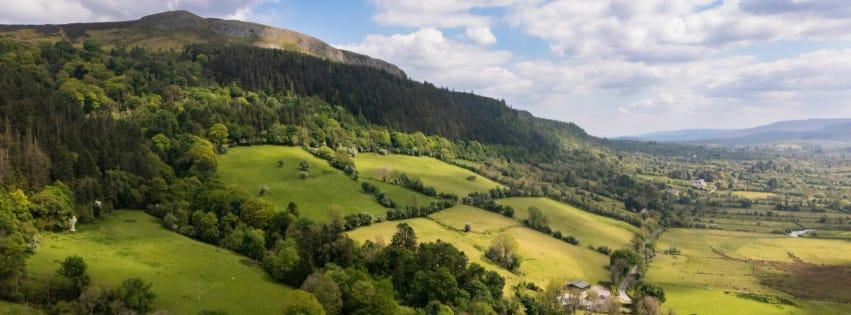
A Biosphere for Ireland is a collaborative research and writing project exploring what it could mean to imagine Ireland as a national biosphere: a connected network of restored ecosystems, productive landscapes and communities where ecological recovery becomes a central part of how we think about the country’s future.

The project grew from an idea developed by Thomas Legge and subsequent conversations between Thomas and I about Irish agriculture, land use and nature restoration. Together, we have explored the concept as a thought experiment through research and writing, asking how biodiversity, farming, communities and public policy might coexist within a more connected and ecologically resilient landscape.

A Biosphere for Ireland

Explore some of the work on the project so far.

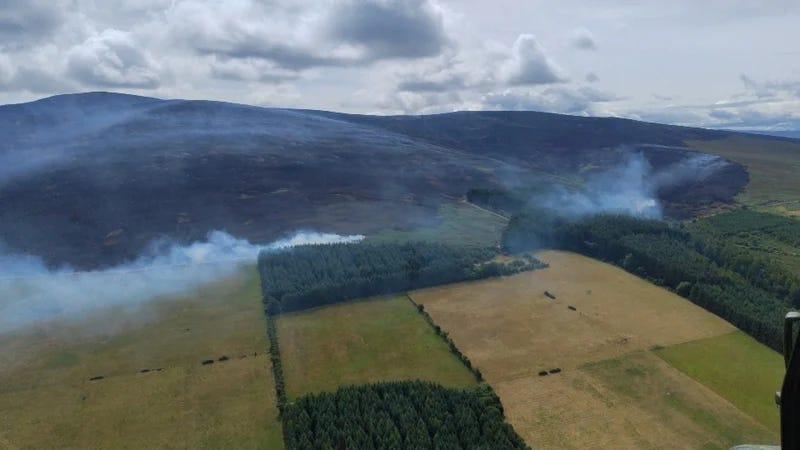
Ireland After The Fires

The news of the last few weeks has been grim for nature. Fires happen every year, but this year’s conflagrations have been, almost literally, off the charts.A cynic might suggest that the fires are only grabbing the headlines because they are threatening cities like Bordeaux and forcing the evacuation of thousands of tourists. But they are truly terrifying. They suggest that the Earth’s systems may be approaching what George Monbiot describes as a “flickering”, the way a complex system signals t...
The Green Cathedral

An Irish hedgerow can take around seventy years to reach ecological maturity. A government term lasts around five.The mismatch between those two timescales sits at the heart of many of our environmental challenges. Nature restoration is often discussed through election cycles, annual budgets and short-term targets, while the landscapes we are trying to restore operate on entirely different clocks.Native woodlands take generations to establish. Rivers require years of sustained intervention befor...

Public Land, Private Logic

Last month, an independent commission made up of representatives of a cross-section of Irish society recommended that Coillte and Bord na Móna play a leading role in meeting Ireland’s targets under the new EU Nature Restoration Regulation.The commission shone a light on a contradiction at the heart of Irish environmental policy.It is a contradiction that environmental advocates have been highlighting for years. Among them is Fintan Kelly of the Irish Environmental Network, who questioned whether...

A Child of the Biosphere

A child standing at the edge of a bog does not see wasteland.They see life. Dragonflies skimming water. Moss holding rain. Curlews calling across the air. The strange softness of peat underfoot. They crouch to inspect things adults walk past. Beetles. Ferns. Puddles reflecting clouds. To a child, the world is alive before it is useful.A. A. Milne once wrote, “Weeds are flowers too, once you get to know them.”Children understand this instinctively. They begin with intimacy toward the natural worl...

From Fragments to Flow

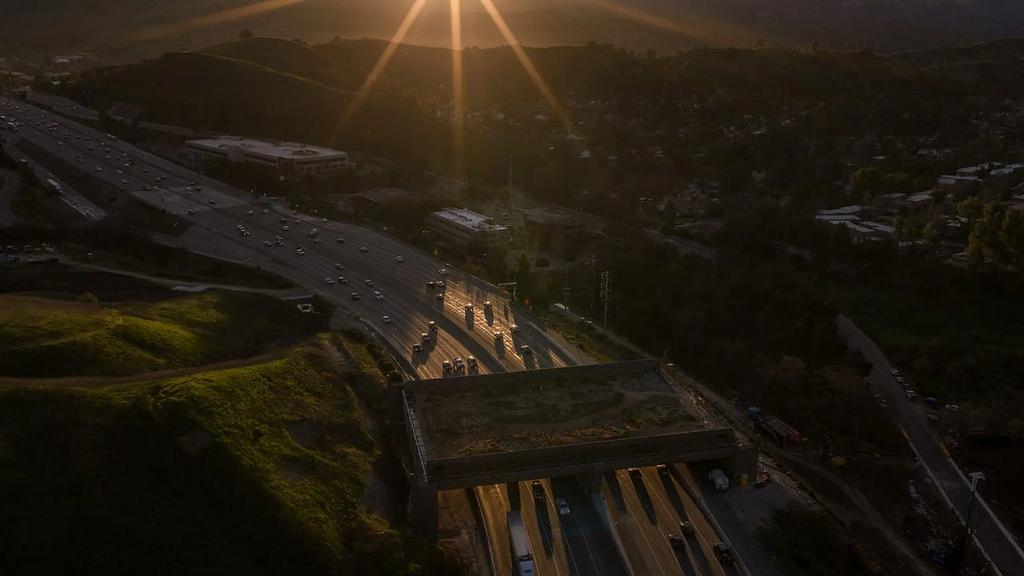
Connectivity is the key to restoring nature and Ireland has a real, tangible opportunity to build it.E.O. Wilson, one of the giants of conservation biology, described the importance of connectivity in nature. Drawing on his pioneering work on island geography, where he observed that smaller oceanic islands and those that are farther from mainland have fewer species than larger ones, he and other biologists demonstrated that the smaller a habitat fragment, the more species will die out and the mo...

The Inverted Fence

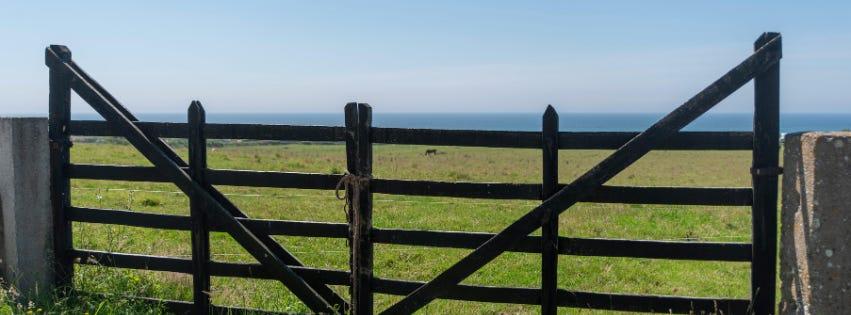
Ireland has spent centuries dividing land into fields, farms and fenced edges.A fence line cuts across the Irish landscape so often it becomes invisible. It marks where one field ends and another begins, where one farm stops and the next starts. It signals how the land works.Before wire fences, hedgerows confined animals and enclosed land that had once been held in common through complex systems of shared use.Fences can protect nature, to an extent. Vast lengths of taut wire have been erected ac...

What if Ireland went all in on nature?

Ireland is trying to meet 21st-century crises with tools that were never designed for them. Climate policy sits in one silo, biodiversity in another. Rural development is separated from housing, health and community. Land is framed as either productive or protected, leaving little room for the living systems that fall in between.The result is a churn of strategies that signal action but rarely add up to real change.What if Ireland stopped tinkering at the edges and chose a different scale of amb...